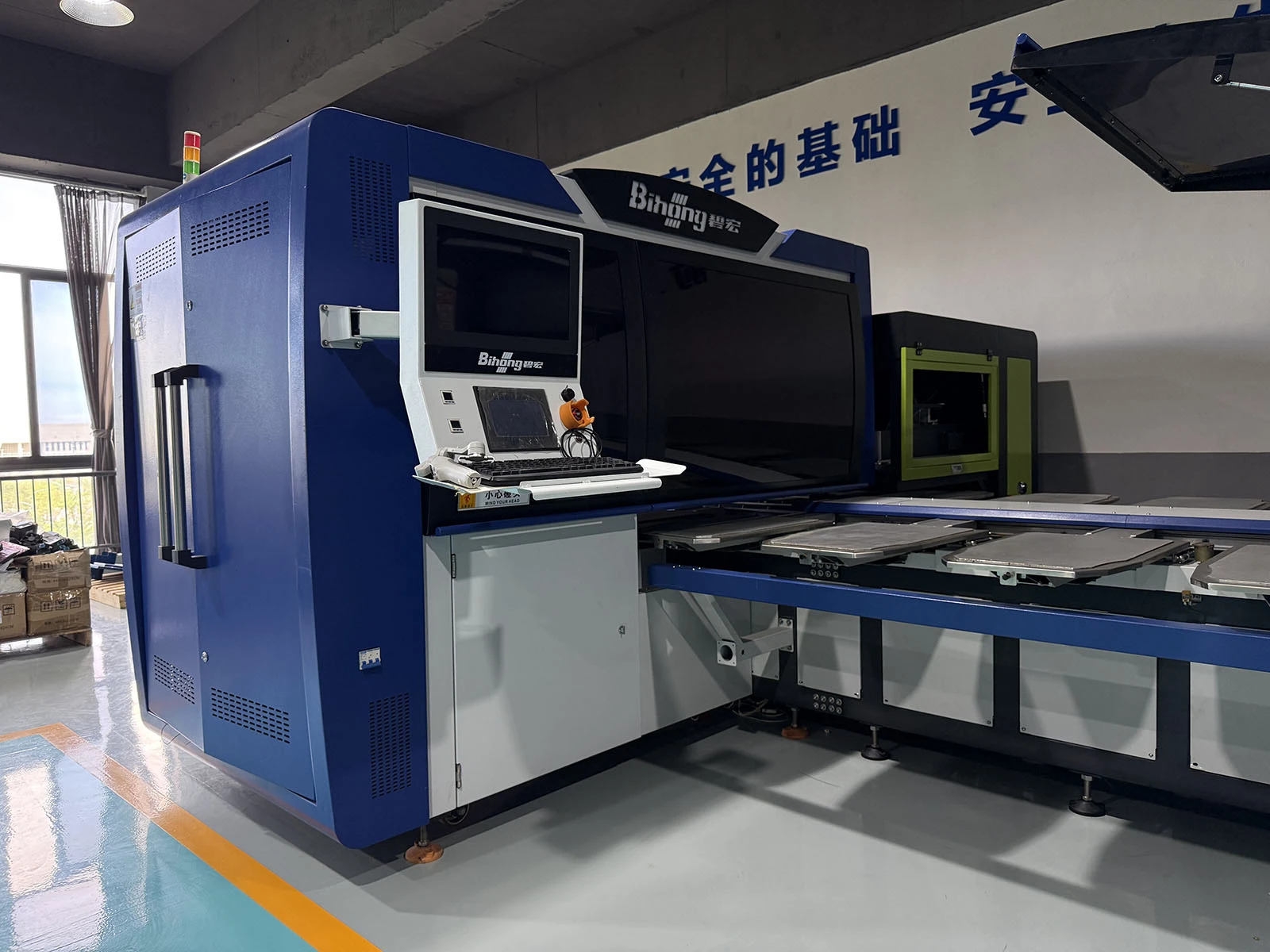


The tunnel oven dryer is a critical piece of equipment for continuous drying operations in industrial production. Its core principle involves a multi-stage temperature zone design within an enclosed tunnel; combined with a conveyor system, this allows materials to undergo the drying process in a constant-temperature environment. Serving as a "continuous production artery" in modern manufacturing, it is widely used in sectors such as electronics, food processing, chemicals, and building materials, proving indispensable in scenarios requiring efficient and stable drying processes. Regional industrial characteristics and technical requirements have led to tunnel oven designs that are distinctly adapted to local needs, while their structural composition and extended functionalities determine their unique value within the production chain.
In the Yangtze River Delta-a major manufacturing hub-tunnel ovens are frequently tasked with precision drying operations. For instance, in the electronics component manufacturing sector within Shanghai's Zhangjiang Hi-Tech Park, the local industrial cluster demands extremely high precision in temperature control. Equipment there is typically equipped with PID temperature control systems accurate to ±0.5°C; heating elements utilize quartz to prevent corrosion, and conveyor chain plates feature corrosion-resistant Teflon coatings, ensuring that components remain undeformed during low-speed transport (0.5 meters/minute). In contrast, the home appliance manufacturing sector in the Pearl River Delta prioritizes large-scale capacity and continuous operational capabilities. A UV-curing tunnel oven at a Foshan-based appliance manufacturer, for example, can process 1,000 refrigerator door panels in a single batch; it employs a dual-bank UV lamp design (top and bottom) paired with a 15-meter conveyor chain to rapidly cure the coating on the door panels.
Based on industrial applications, tunnel ovens can be categorized into various types defined by specific prefixes. Precision tunnel ovens in the electronics industry typically integrate hot-air circulation systems; using multi-layer mesh belt conveyors, they facilitate solder paste drying for chips within cleanroom environments. In food processing, low-temperature tunnel ovens are common-such as a biscuit-baking tunnel oven at a Suzhou pastry factory-utilizing a dual-energy system of electric heating elements and gas burners to evaporate moisture within a 30–60°C range, thereby preventing nutrient loss caused by high heat. Tunnel ovens in the chemical and building materials sectors prioritize high-temperature resistance and structural integrity; for instance, a ceramic glaze tunnel oven in a Zhejiang chemical park employs alumina ceramic inner walls capable of withstanding temperatures exceeding 800°C while resisting corrosion, paired with a steep-angle conveyor mechanism to ensure uniform heating of the glaze.
Structurally, the tunnel oven comprises three core systems. The conveying system acts as the equipment's "transport network," utilizing stainless steel slat chains, mesh belts, or conveyor belts tailored to specific materials-such as enclosed screw conveyors for powders to prevent dust generation, or mesh belts for granular materials to ensure airflow. The heating system serves as the "temperature control hub"; traditional oil-fired ovens have largely given way to electric or natural gas heating, with modern units favoring infrared heating tubes or ceramic heating elements to achieve rapid, uniform temperature rises via thermal radiation. The air circulation system functions as the "temperature equalizer," employing centrifugal fans and baffles to maintain temperature differentials within ±2°C across the oven's zones, ensuring consistent drying results.
Tunnel oven applications are evolving toward "green" and "smart" technologies. In regions with strict environmental regulations-such as key inspection zones in the Yangtze River Delta-tunnel ovens are commonly equipped with VOC (Volatile Organic Compound) collection units; these utilize activated carbon adsorption combined with catalytic combustion to treat emissions generated during drying, achieving treatment efficiencies exceeding 95%. Regarding energy optimization, building material enterprises in central and western regions frequently employ waste heat recovery designs, channeling high-temperature exhaust from the cooling zone into the preheating zone to reduce overall energy consumption by 15%–20%. Smart upgrades transform tunnel ovens into key nodes within the Industrial Internet of Things (IIoT). By integrating temperature and humidity sensors, pressure transmitters, and IoT modules, these ovens can monitor internal parameters in real-time, automatically trigger audiovisual alarms or remote shutdowns in the event of anomalies, and enable "unmanned" production.
Maintenance and upgrades are crucial for extending the service life of tunnel ovens. For equipment in the electronics industry, regular cleaning of dust from heating element surfaces is necessary to prevent a drop in thermal efficiency; in the food industry, attention must be paid to the lubrication and wear of conveyor chains, with chain tension calibrated at least twice a month. Advances in materials science-specifically the use of new high-temperature coatings and self-cleaning heating elements-have extended maintenance intervals from the traditional six months to over twelve months. Looking ahead, as manufacturing shifts toward greater precision and sustainability, tunnel ovens will increasingly integrate AI-based visual inspection systems. These systems will use machine vision to assess the drying status of materials and adaptively adjust drying parameters, serving as a vital pillar of smart manufacturing in the Industry 4.0 era.